
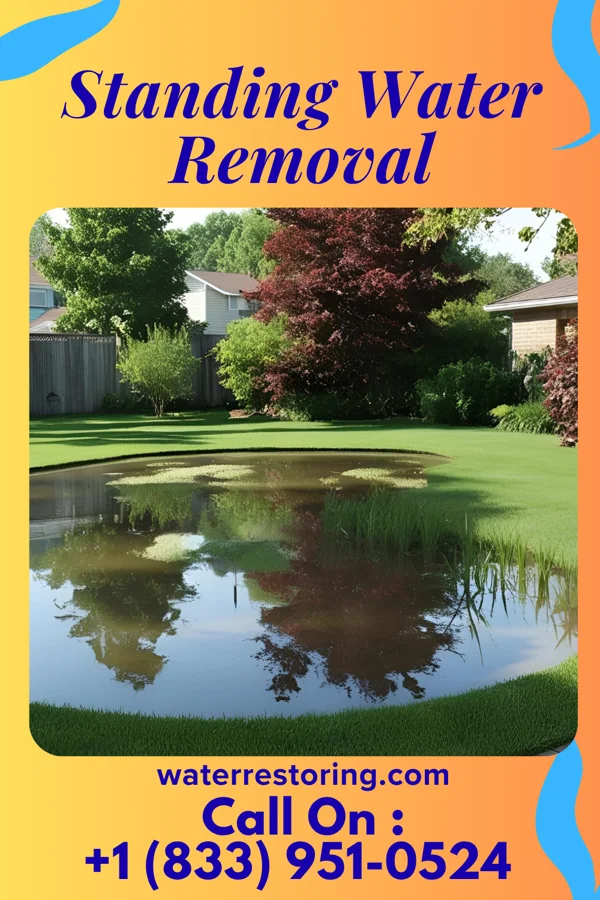
Why Lowell Standing Water Demands Fast Removal
Most water damage emergencies in Lowell start with In Lowell, Oregon, water damage is often caused by sudden flooding from nearby rivers or heavy rainfall, especially during the spring thaw. Additionally, broken plumbing systems in rural homes can lead to significant water intrusion, particularly in older properties.. A close second is Secondary causes include sewer backups, roof leaks due to aging infrastructure, and groundwater seepage into basements. These issues are common in the rural setting of Lowell, where drainage systems may not be as robust as in urban areas.. From the second water touches the property, every minute changes what gets saved and what gets ripped out.
Lowell's temperate climate with heavy winter precipitation increases the risk of water damage, especially during the spring and fall. The region's proximity to the Willamette Valley also means that sudden weather changes can lead to rapid water accumulation.
Most standing water removal calls in Lowell come from In Lowell, Oregon, water damage is often caused by sudden flooding from nearby rivers or heavy rainfall, especially during the spring thaw. Additionally, broken plumbing systems in rural homes can lead to significant water intrusion, particularly in older properties.. Running a close second is Secondary causes include sewer backups, roof leaks due to aging infrastructure, and groundwater seepage into basements. These issues are common in the rural setting of Lowell, where drainage systems may not be as robust as in urban areas.. Local mold risk: Mold growth can quickly become a serious issue in Lowell due to the high humidity and frequent rainfall. Prompt action is critical to prevent health risks and structural damage in rural homes.